Lighting is usually the last FF&E item specified and the first one to slip. The drawings show a fixture in elevation, the schedule carries a wattage, and the price is fixed before anyone has checked the backplate against the wall substrate or the driver against the control protocol. Below is the range we build for guestrooms, corridors and public areas, and the items a lighting schedule has to settle before a quotation is worth reading.
Send a BOQ, drawing set or specification. You get a costed response, or the questions needed to produce one.
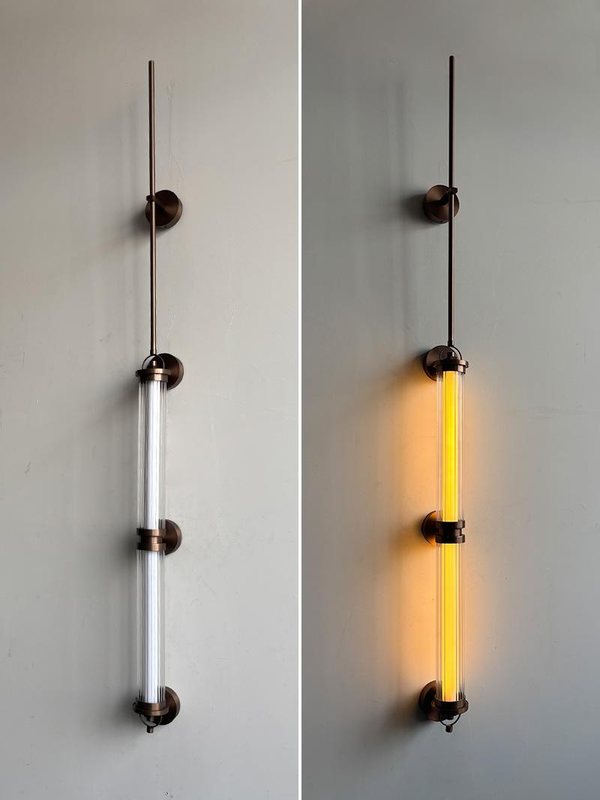
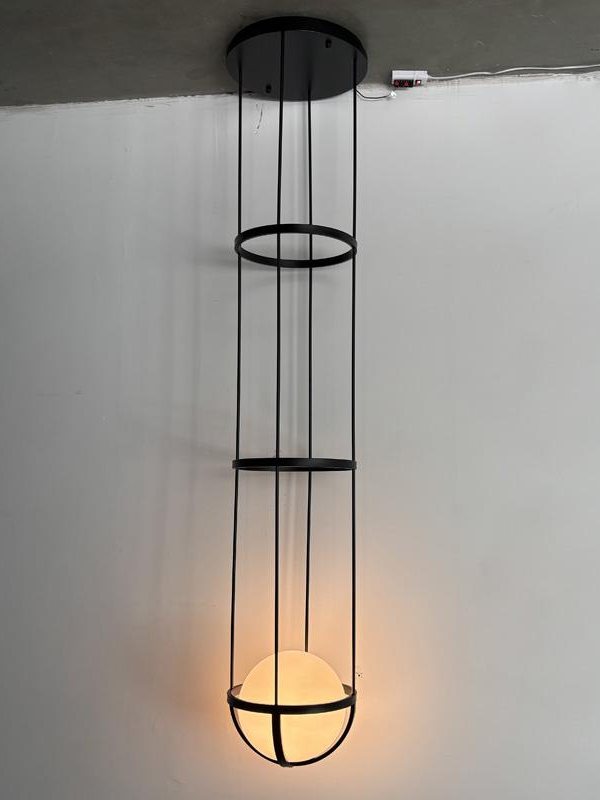
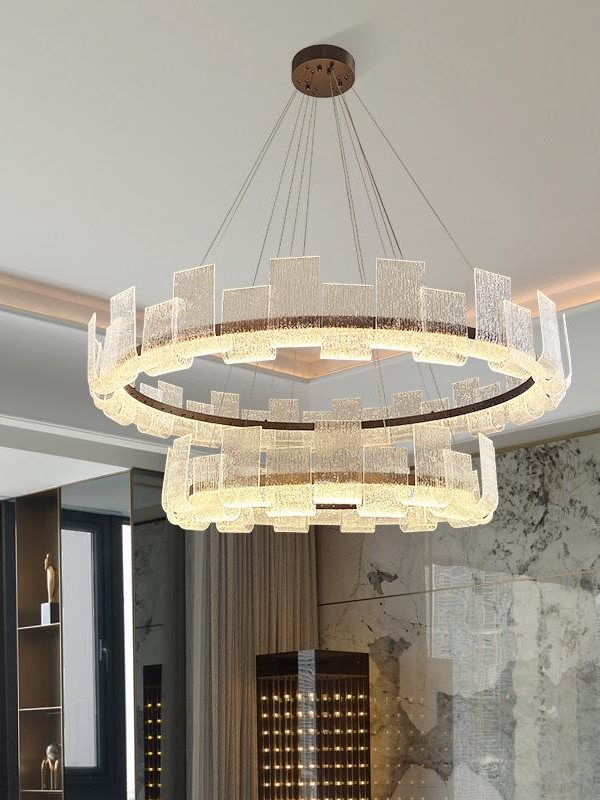
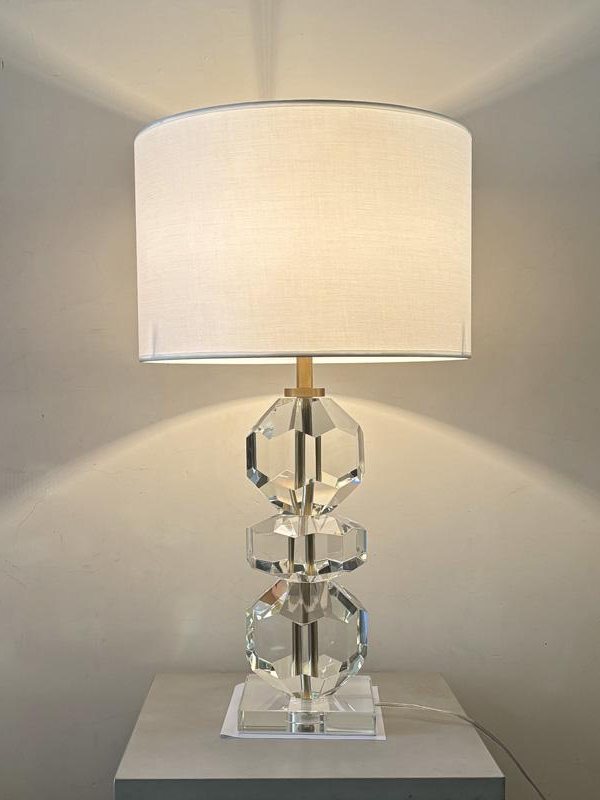
Five families, all made to the elevation rather than to a stock size. The finish, the colour temperature and the driver are chosen per project; the profile, the arm length and the backplate are drawn to the room.
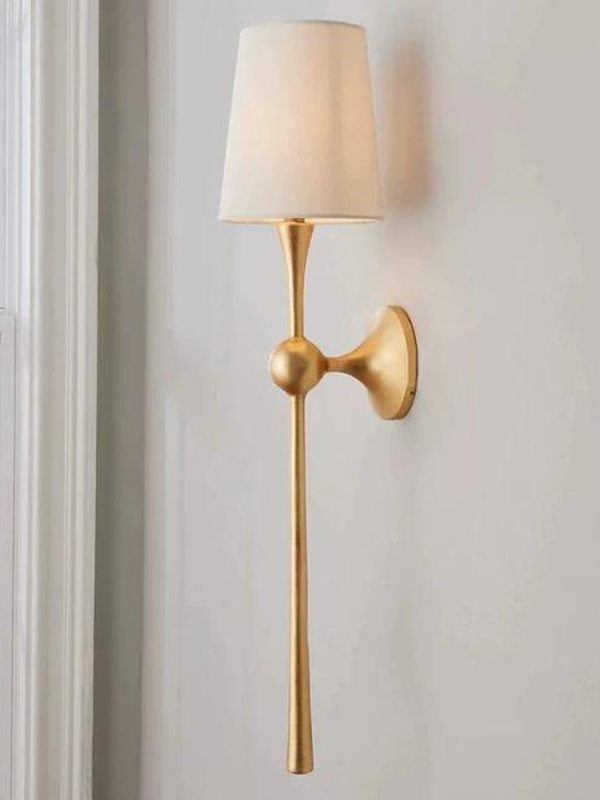
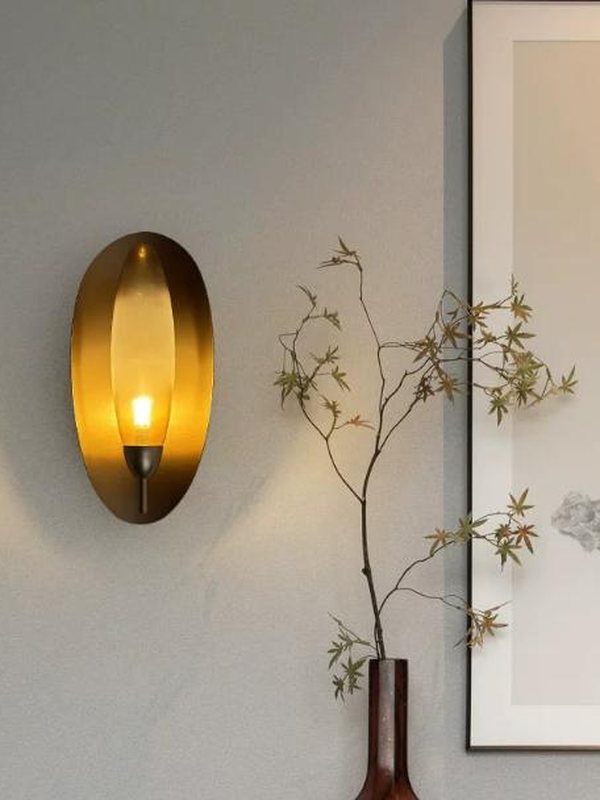
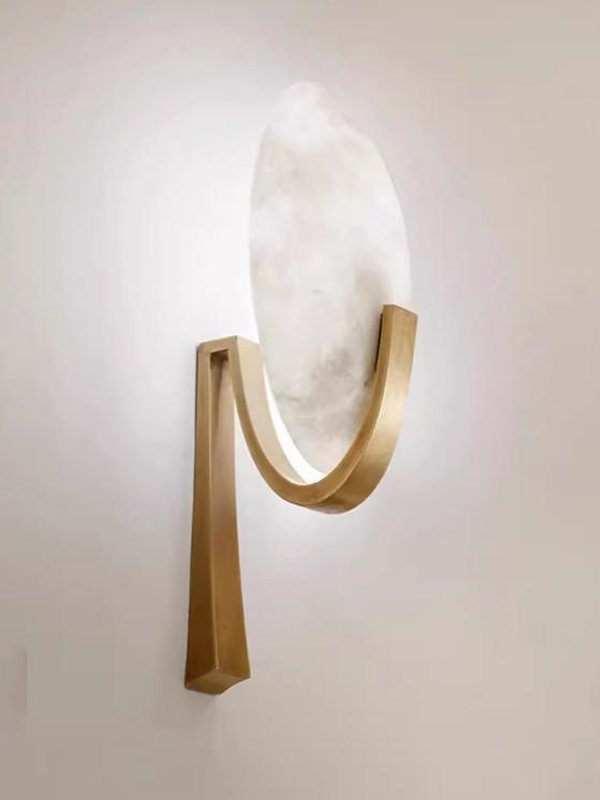
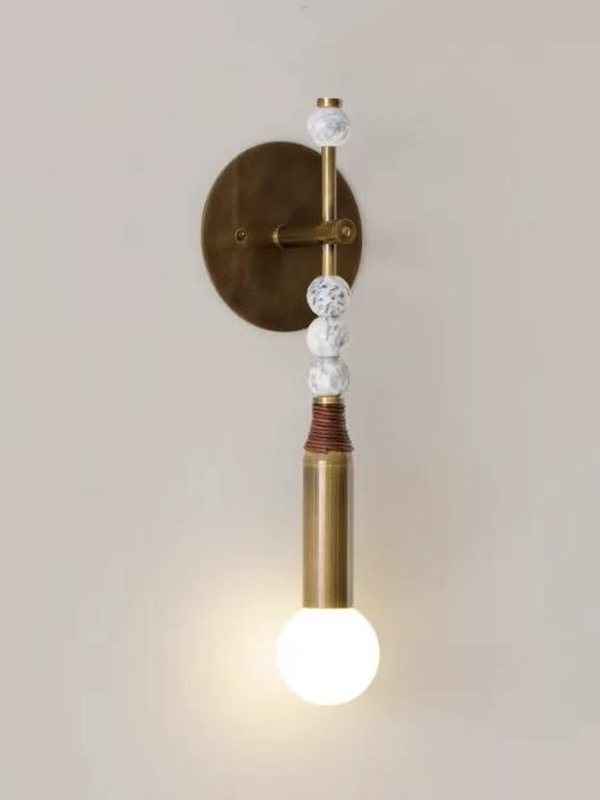
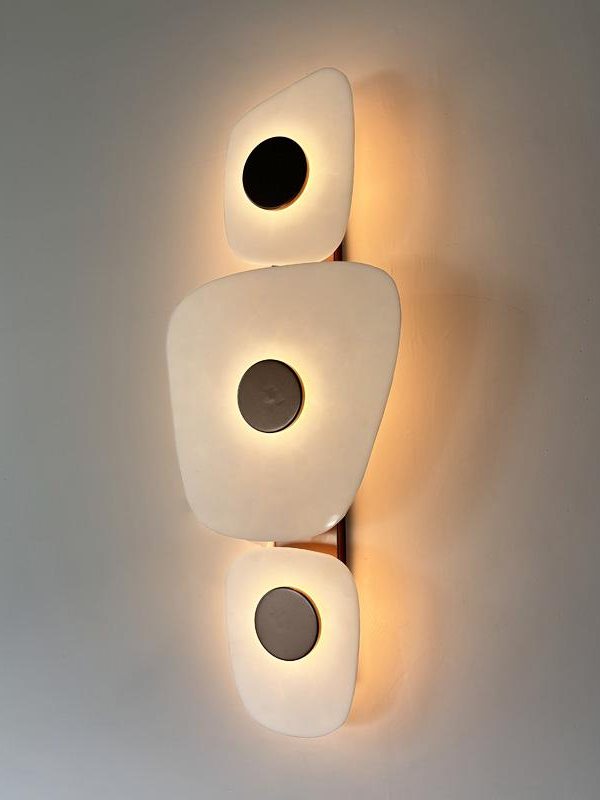
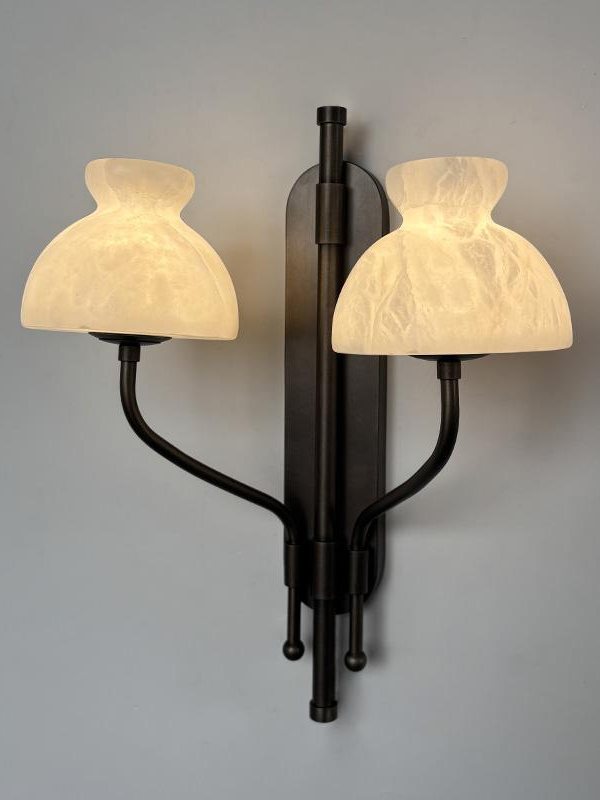
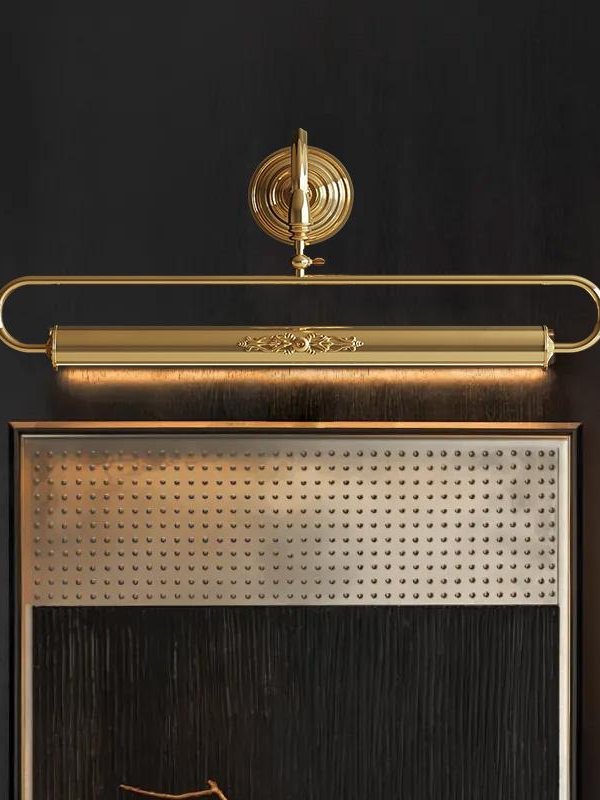
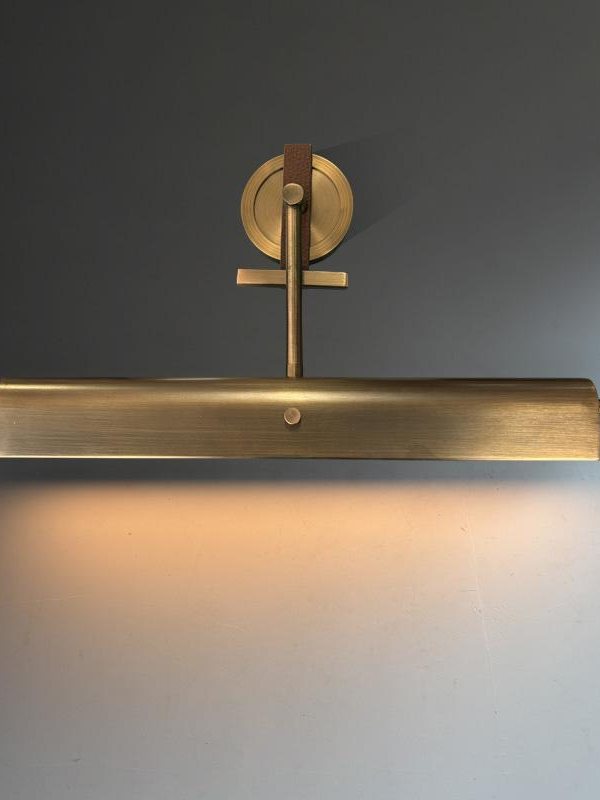
Thirteen pieces from the current range, photographed in 3000K. Sizes are the production sizes; where a family runs in several lengths the options are listed. Every one of them can be re-proportioned, re-finished or re-lamped against a project drawing.
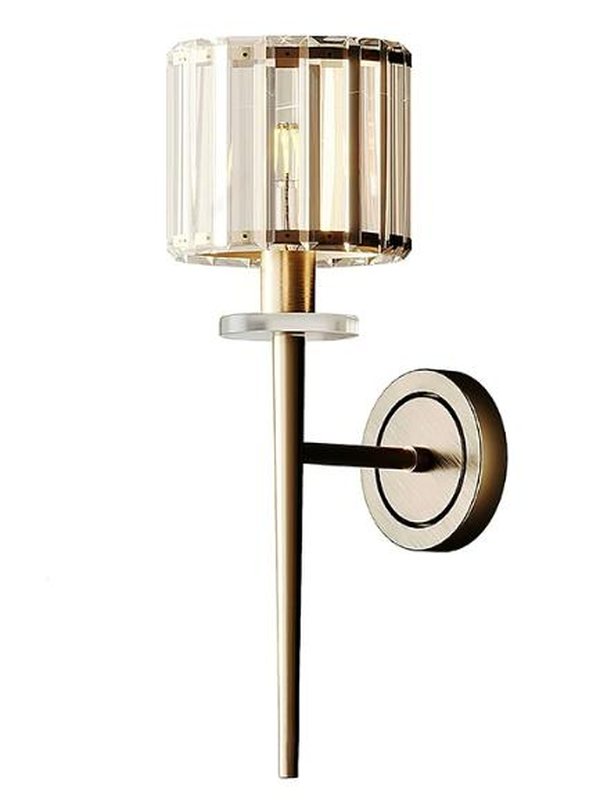
A decorative fixture is priced from four things: metal, glass, driver and labour. Three of the four are invisible on a mood board, which is why two quotes for the same picture can differ by 40 per cent and both be honest. These are the eight lines that close the gap.
| Spec line | Why it moves the price |
|---|---|
| Mounting height and wall substrate | A backplate that lands on plasterboard needs a timber pattress or a proper toggle; one that lands on tile has to be drilled before tiling, not after. Retrofitting the fixing costs more than the fixture. |
| Backplate and canopy size | The plate has to look right on the wall and still reach the stud or the substrate behind it. We build to the drawing, which is why a photo alone cannot be quoted. |
| Driver location and access | Drivers fail before LEDs do. A driver sealed inside a coffer means the ceiling comes down in year four. Specify a remote box with a serviceable cover, or a fixture with a removable plate. |
| Dimming protocol | Phase-cut, 0-10V, DALI-2 and wireless mesh drivers are not interchangeable, and a mismatched pair flickers at the bottom of the range. The protocol comes from the control system, not from the lighting supplier. |
| Colour temperature and CRI | 3000K is the hotel default, 2700K for heritage and restaurant interiors. CRI 90+ wherever skin tones or food are being looked at. 4000K in a guestroom reads as a hospital corridor. |
| IP rating and bathroom zone | A sconce inside the bathroom zones needs an IP rating the shade construction may not allow. A decorative open shade does not become IP44 because the finish is specified as marine grade. |
| Finish sample | Brass is a living finish. Lacquered brass stays uniform; unlacquered brass darkens where hands touch it. Approve a physical sample under the project light, not a JPEG on a screen. |
| Ceiling load for pendants | A 1200 mm ring chandelier plus its steel drop is a structural item, not a hook in the slab. The weight figure has to reach the engineer before the ceiling is closed. |
Two decisions get made early and then live with the property for a decade: the colour temperature and the metal finish.
On colour temperature, the answer is almost always 3000K with a CRI of 90 or better. It flatters timber, stone and fabric, and it is the temperature operators stock spares for. 2700K works in a heritage building or a restaurant where the room is meant to feel older than it is. Anything above 3500K in a guestroom turns the joinery grey and makes the bathroom mirror unkind.
On finish, the trap is the coastal project. Unlacquered brass in a beachfront property pits within two seasons unless housekeeping is wiping it weekly. PVD coatings and lacquered brass hold up far better in salt air, at the cost of the patina that made the designer choose brass in the first place. That trade-off belongs in the specification, not in a snag list eighteen months after opening.
The other thing that goes wrong is batch matching. Two production runs of the same matte black will not match — the powder batch, the cure temperature and the film thickness all drift. If a floor is being delivered in two shipments, book the plating or the powder coating for both in one run, even if the fixtures are assembled later.
Colour temperature and finish decisions are part of a wider shift in how hotel furniture gets specified. For the five trends driving 2026 briefs, see 5 hotel furniture design trends for 2026.
Decorative lighting is the category most often bought separately, and the reason is usually packing rather than price. A 200-key hotel runs to roughly four fixtures per key before corridors, lobby and F&B are counted. Shipped as loose LCL cartons, those arrive with no association to a room, and the site team spends a week sorting glass by floor.
We pack lighting per room type and label the carton with the room number and the drawing reference, then load it in the same container as the casegoods for that floor. Glass, crystal and alabaster travel in their own foam cradles, shades are packed inverted and nested, and drivers go in a separate carton with the wiring diagram for each room type. The installer opens a room's carton and has everything for that room, in the order it gets fitted.
The commercial effect is unglamorous: one less supplier, one less freight booking, one less set of import documents, and no argument about which shipment the missing sconces were in.
Can a decorative light be matched to a designer's reference image?
Yes, provided the reference carries a dimension. A dimensioned elevation is the ideal input; a photograph with a known wall height or a door beside the fixture also works. What a photograph cannot settle is weight, driver location and fixing method, and those three decide whether the fixture survives a hotel wall. They get resolved on the shop drawing before production.
Does the lighting package include the LED module and the driver?
Both are quoted with the fixture, matched to the voltage and the dimming protocol the control system uses. The driver datasheet goes for approval before production starts. The driver is the part that fails first in a hotel, so it should be a model with local availability in the destination market rather than a factory-only component nobody can replace.
What is the minimum order for a custom hotel fixture?
It depends on the process, not on a fixed number. A fixture assembled from an existing profile, a stock glass and a standard driver is a normal production item. A new casting, a new mould or hand-blown glass carries a tooling quantity, because the tooling is amortised over the run. Both routes are quoted side by side so the difference in unit price is visible.
How are the fixtures tested before they are packed?
Every fixture is lit before packing, and every model gets a dimming sweep against the specified driver rather than against a bench supply. Glass, crystal and alabaster are compared with the approved sample under the same light. Drivers ship in a separate labelled carton with the wiring diagram for each room type, so the site electrician is not guessing which box belongs to which fixture.
A full schedule gets a line-by-line price. A single reference image with a dimension gets a shop drawing and a sample finish, which is usually enough to settle whether the piece is buildable.
Request a Lighting Quote